Product Introduction: VULKAN VULASTIK-L 3418 Coupling
1. Core Design & Structural Features
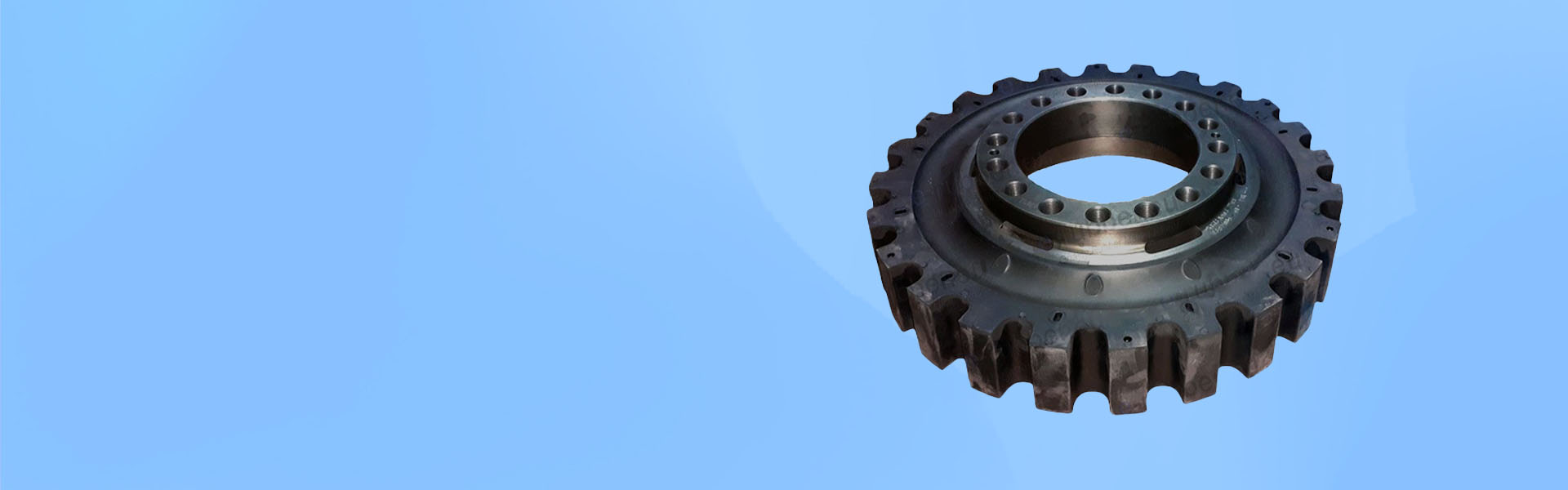
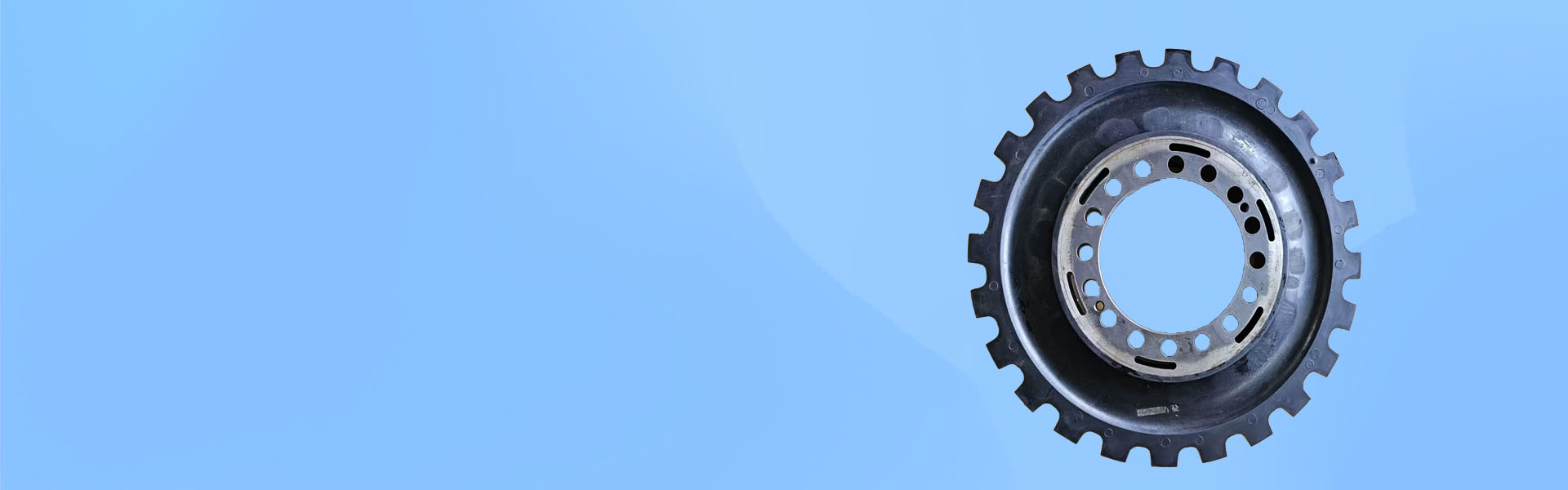
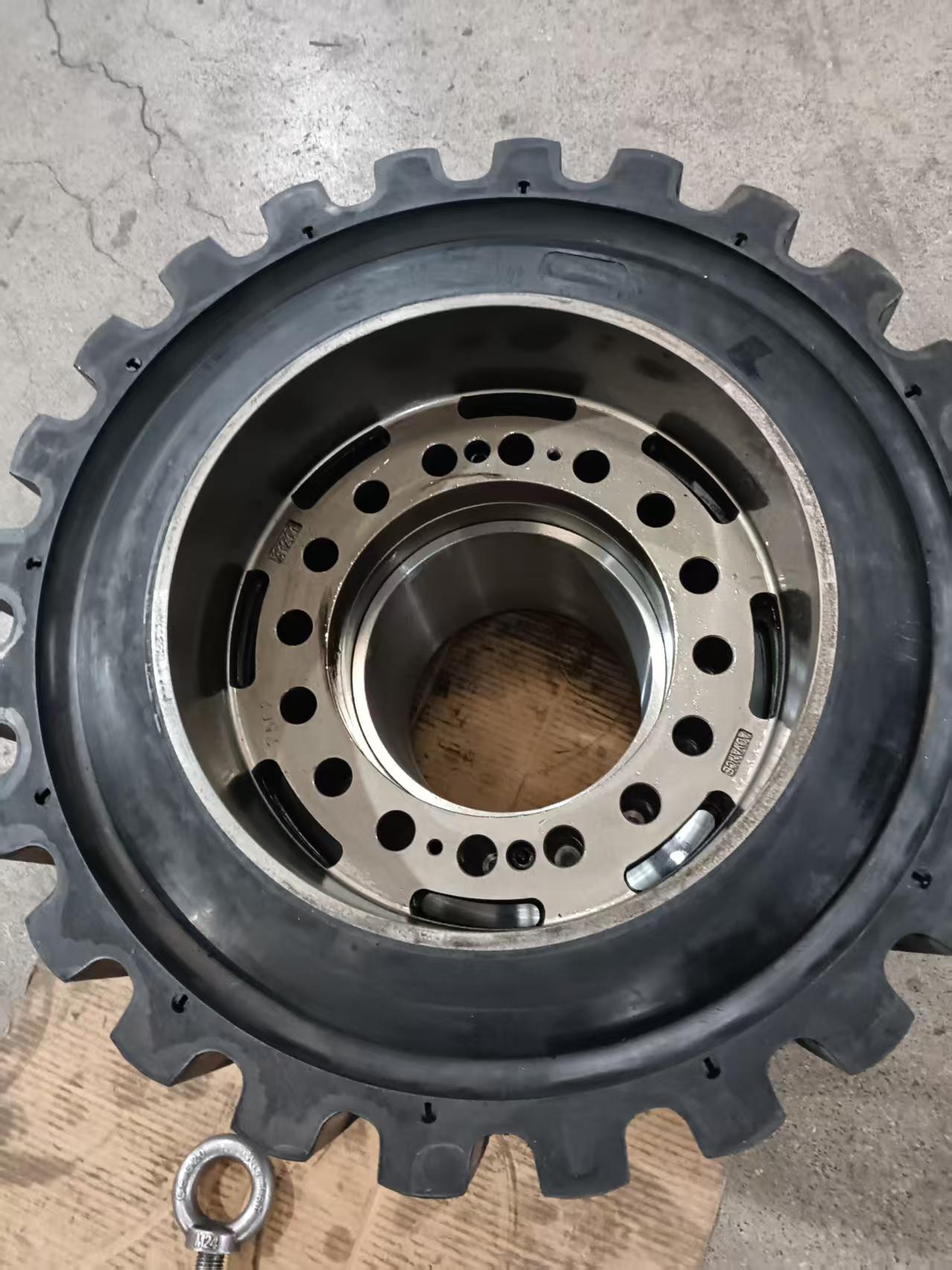
Key Components: Comprises three main parts—hub, flanged casing, and a disc-shaped elastic element. The elastic element is vulcanized to the inner radius of the hub for strong bonding, while its outer radius connects to the flanged casing via a "plug-in" toothing system. This toothing enables easy axial assembly (blind assembly) and effective compensation for shaft displacements.
Flexibility & Misalignment Compensation: As a torsionally flexible coupling, it efficiently compensates for axial, angular, and radial misalignments of connected machinery. The permissible angular displacement is 0.5°, and the radial shaft displacement is rated at 1.0 mm, minimizing stress on connected equipment (e.g., engines, gearboxes) and extending their service life.
Elastic Element Material: Equipped with a heat-resistant rubber elastic element as standard, ensuring stable performance in ambient temperatures ranging from -45°C to +90°C. For high-temperature-critical applications (e.g., bell-house installations), silicone-based elements (operating range: -45°C to +120°C) are available as an option, enhancing adaptability to extreme environments.
2. Technical Specifications
| Parameter | Specification | Unit |
|---|---|---|
| Dimension Group | 3410 | - |
| Nominal Torque (TKN) | 8.00 | kNm |
| Maximum Torque 1 (TKmax.1)(for normal transient conditions: starts/stops, acceleration) | 12.00 | kNm |
| Maximum Torque 2 (TKmax.2)(for abnormal transient conditions: short circuits, emergency stops) | 28.40 | kNm |
| Permissible Vibratory Torque (TKW) | 3.20 | kNm |
| Maximum Torque Range (ΔTmax) | 19.55 | kNm |
| Permissible Power Loss (PKV30,1h)(at 30°C ambient temperature, 1-hour operation) | 0.550 | kW |
| Permissible Rotational Speed (nKmax) | 2500 | 1/min |
| Permissible Radial Shaft Displacement (ΔKr) | 1.0 | mm |
| Radial Stiffness (Crdyn) | 12.60 | kN/mm |
| Dynamic Torsional Stiffness (CTdyn) | 200.0 | kNm/rad |
| Relative Damping (Ψ) | 1.13 | - |
| Tolerance Range (Elastic Element) | +20% to -10% | - |
3. Application Scope
Primary Applications: Ideal for connecting engines to gearboxes, generators, pumps, or other rotating machinery in sectors such as marine, power generation, mining, and heavy industry.
Specialized Use Cases: Excells in "bell-house installations" (enclosed drive setups) when paired with sufficient ventilation (to ensure heat dissipation and extend the elastic element’s lifespan). It is also compatible with drive lines requiring compliance with DIN 6281 and SAE J 620 standards, ensuring seamless integration with international equipment designs.
Environmental Adaptability: Performs reliably in harsh environments, including low-temperature (-45°C) industrial facilities and high-temperature (+90°C standard, +120°C with silicone) process applications, making it a preferred choice for outdoor or extreme-condition operations.
4. Compliance & Quality Assurance
Certifications: Complies with ANSI/ISO/ASQ Q9001-2000, ISO/TS 16949 (automotive-grade quality), and ISO 14001 (environmental management). VULKAN’s manufacturing facilities are ISO 9001:2000 certified, guaranteeing consistent production quality.
Catalogue Validity: This product’s specifications are based on VULKAN Catalog Issue 01/2007, which supersedes all previous editions. Users are required to reference the latest catalogue version to ensure compliance with up-to-date technical requirements.
Continuous Improvement: VULKAN reserves the right to modify dimensions, materials, or specifications based on technological advancements, with all changes validated to maintain or enhance product performance.
5. Installation & Maintenance Recommendations
Installation: Ensure proper alignment of connected shafts to avoid exceeding permissible misalignment limits. The "plug-in" toothing system allows for easy axial assembly, but care must be taken to avoid damaging the elastic element during installation.
Ventilation: For bell-house or enclosed installations, ensure adequate ventilation cross-sections to prevent heat buildup—this is critical for rubber elements, as excessive heat can degrade material performance.
Inspection & Replacement: Regularly inspect the elastic element for signs of wear, cracking, or deformation. Replace elements promptly if damage is detected. The coupling’s design allows for element replacement without moving connected machinery (via the flanged casing’s retractable structure), reducing downtime.
Temperature Considerations: In high-temperature environments (e.g., above +60°C), reduce the nominal torque (TKN), maximum torque (TKmax), and permissible vibratory torque (TKW) to 80% of the catalog values to prevent premature failure.